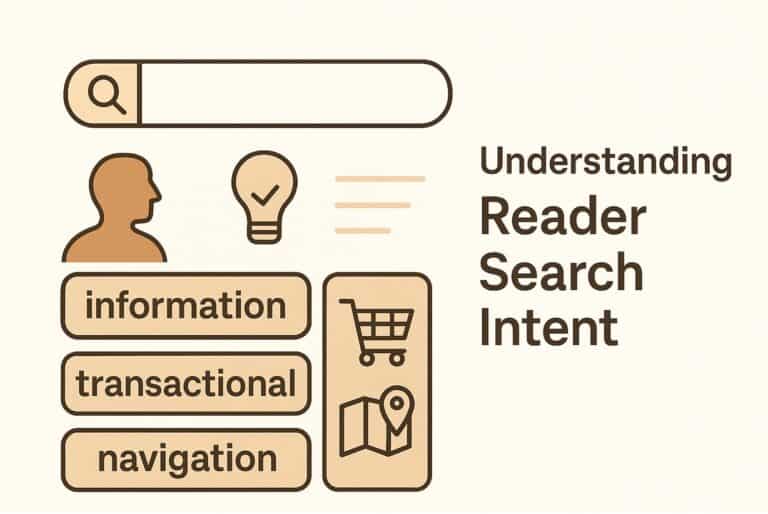
Reader Search Intent: The Key to Content That Gets Found
Learn how to understand and match reader search intent (informational, commercial, transactional, and navigational). Create content AI tools and readers trust.
Boost productivity and time management with 12 actionable hacks. Learn how to achieve more as a new indie author.
Learn how to manage your time as a new indie author. Discover simple, powerful strategies to stay focused, build momentum, and protect your creative time.
Mental gridlock doesn’t mean you’re out of ideas. Writer’s block means you need a new approach. These 7 prompt strategies will get you writing again, fast.
Explore how to apply innovative techniques to writing a novel that captivates readers and stands out in a competitive market.
By breaking down complex ideas by first principles thinking, authors can create clearer, more innovative content based on fundamental truths.
This guide explores key shifts underway and strategies to future-proof your writing career. This is part of an ongoing multi-part series investigating The Power of AI for new authors.
In this article, we share what we did to create exercises by using sentences and ideas from Pell’s list of breakthroughs. While you can follow the same techniques by using other suggestions, Pell’s list just happens to be thoughtful and full of fun, tongue-in-cheek, ideas.
Your writing skills play a role in your success. Discover how to leverage your writing strengths to maximize your potential to write captivating content. Learn to balance strengths and weaknesses. Find out how your writing skills play a role in your success.
This fourth article in our six-part series on writing styles, strengths, and weaknesses aims to equip new authors with strategies to harness their innate talents and skills. It helps them understand how to use their strengths to their advantage, creating more engaging and impactful stories and turning them into unique storytelling and communication tools.
In this second part of our six-part series on writing styles, we delve into the concept of a writer’s voice and the basics of finding it. We
provide tips and exercises to help you develop your own unique voice. The exploration into expressing your individuality and authenticity through words is crucial in distinguishing yourself as a writer.